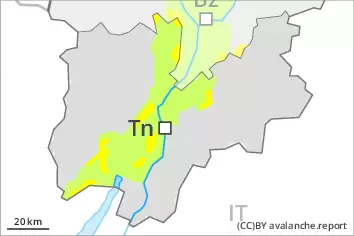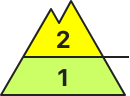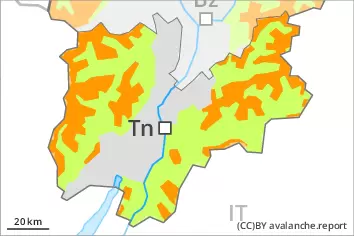
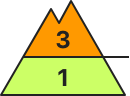
Danger level
 | treeline |
|  |
|  | ||||
| |
| |
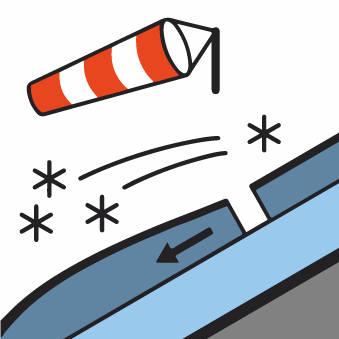

The current avalanche situation calls for caution and restraint. Wind slabs require caution.
As a consequence of new snow and a sometimes strong wind, sometimes large wind slabs formed. The fresh and somewhat older wind slabs can be released by a single winter sport participant in all aspects, especially in areas close to the tree line, and above the tree line. These avalanche prone locations are sometimes covered with new snow. Mostly avalanches are medium-sized.
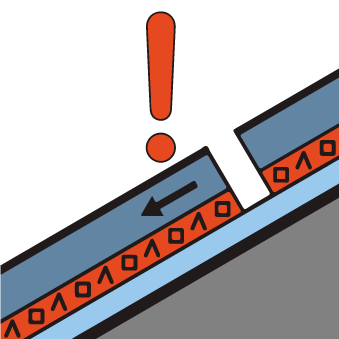
Additionally avalanches can also be released in deep layers. Such avalanche prone locations are to be found on steep, little used shady slopes above approximately 2200 m and on steep sunny slopes above approximately 2500 m. Especially transitions from a shallow to a deep snowpack are unfavourable.
Backcountry touring and other off-piste activities call for defensive route selection.
Snowpack
dp.6: cold, loose snow and wind
dp.1: deep persistent weak layer
The fresh snow and the wind slabs are lying on top of a weakly bonded old snowpack.
Faceted weak layers exist in the old snowpack, especially on shady slopes above approximately 2200 m, as well as on sunny slopes above approximately 2500 m.
The snowpack remains quite prone to triggering. Whumpfing sounds and the formation of shooting cracks when stepping on the snowpack are a clear indication.
Tendency
Gradual decrease in avalanche danger.