Wind slabs are to be assessed with care and prudence. Additionally in some places avalanches can also penetrate deep layers and reach large size. Increase in danger of wet avalanches in the course of the day, in the event of prolonged bright spells in particular.
Snowpack
dp.10: springtime scenario dp.6: cold, loose snow and wind
Over a wide area 10 to 30 cm of snow, and even more in some localities, has fallen since Monday above approximately 2200 m. As a consequence of new snow and a moderate to strong northwesterly wind, further wind slabs formed. Avalanche prone weak layers exist in the top section of the snowpack in particular on steep shady slopes. The solar radiation will give rise as the day progresses to moistening of the snowpack.
Tendency
The meteorological conditions will facilitate a gradual stabilisation of the snowpack.
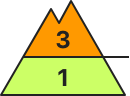
Danger level
Wind slabs at elevated altitudes.
Somewhat older wind slabs are to be evaluated with care and prudence in particular in very steep terrain, in particular on very steep shady slopes at high altitude. Apart from the danger of being buried, restraint should be exercised in particular in view of the danger of avalanches sweeping people along and giving rise to falls. Increase in danger of wet snow slides as a consequence of warming during the day and solar radiation.
Snowpack
dp.6: cold, loose snow and wind dp.10: springtime scenario
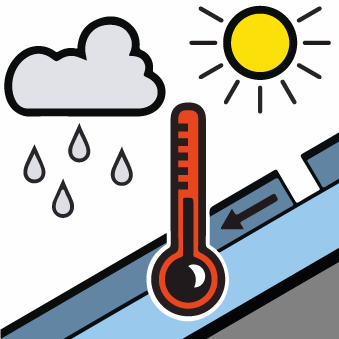
Some snow has fallen since Sunday in some regions, especially at high altitude. The spring-like weather conditions will give rise to rapid moistening of the snowpack in particular on sunny slopes. At low and intermediate altitudes hardly any snow is lying.
Tendency
From a snow sport perspective, in most cases insufficient snow is lying. Increase in danger of wet avalanches as a consequence of warming.