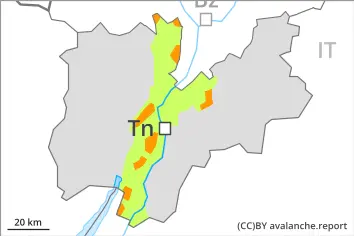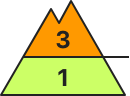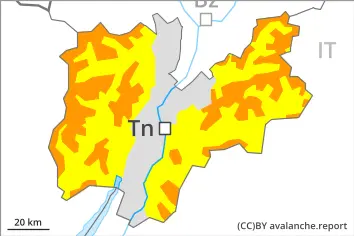
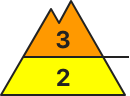
Danger level
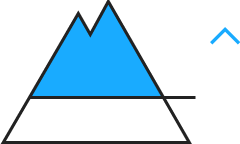
 | treeline |
|  |
|  | ||||
|  |  |
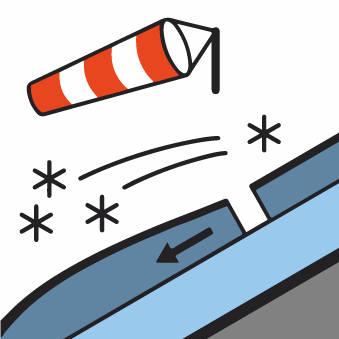
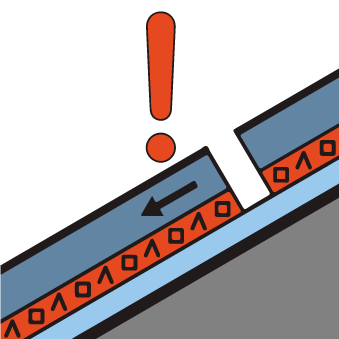

Wind slabs and weakly bonded old snow require caution.
The wind slabs represent the main danger. Adjacent to ridgelines and in gullies and bowls and on steep slopes dry slab avalanches are possible, even large ones in isolated cases. Avalanches can be released by small loads. This applies in particular above the tree line, as well as at transitions from a shallow to a deep snowpack, when entering gullies and bowls for example.
Precarious weak layers exist in the old snowpack on very steep shady slopes. These avalanche prone locations are to be found in particular in northwest to north to northeast facing aspects. Medium-sized avalanches are possible especially adjacent to ridgelines and in gullies and bowls. These can release deeper layers of the snowpack and reach quite a large size. Slopes that have been little used this winter thus far where weaknesses exist in the old snowpack are especially dangerous. Remotely triggered avalanches are possible.
Snowpack
dp.6: cold, loose snow and wind
dp.1: deep persistent weak layer
The sometimes storm force wind has transported the new snow significantly. As a consequence of a strong to storm force wind from northerly directions, further wind slabs will form in the course of the day in particular in gullies and bowls and behind abrupt changes in the terrain. The fresh wind slabs are lying on the unfavourable surface of an old snowpack in all aspects and generally above the tree line.
Distinct weak layers exist in the bottom section of the snowpack on steep shady slopes. This applies especially above the tree line.
Tendency
The avalanche danger will persist.