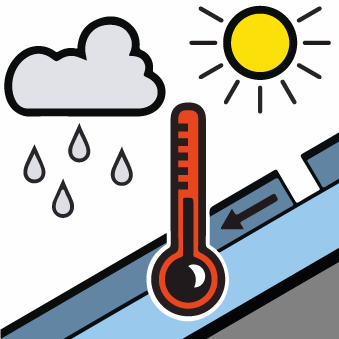
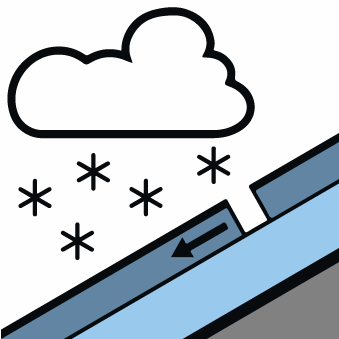
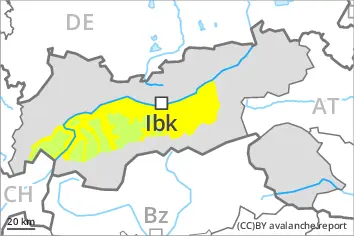
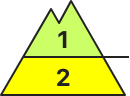
Wet snow requires caution. Avalanches can be released in deep layers by a single winter sport participant.
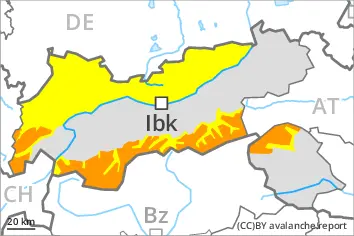
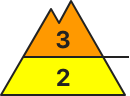
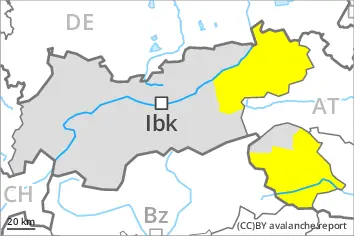
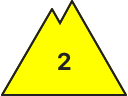
The danger of wet and gliding avalanches will increase during the day, reaching danger level 4 (high). As a consequence of warming during the day and the solar radiation, the likelihood of wet avalanches being released will increase significantly in particular on steep slopes below the tree line. The surface of the snowpack is hardly frozen at all and will already soften in the late morning. A clear night will be followed in the early morning by quite favourable conditions generally, but the danger of wet and gliding avalanches will increase later. During the morning as well, individual, then as the precipitation becomes heavier more wet avalanches are to be expected. On steep southeast, south and southwest facing slopes and at low and intermediate altitudes numerous medium-sized to large natural wet avalanches are to be expected as a consequence of warming. On sunny slopes a high danger of wet and gliding avalanches will be encountered over a wide area. As the temperature drops there will be a gradual decrease in the avalanche danger towards the evening.
Snowpack
dp.2: gliding snow dp.5: snowfall after a long period of cold
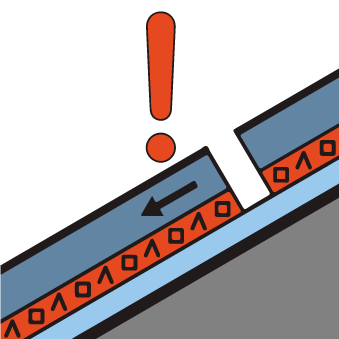
As a consequence of mild temperatures and rain up to high altitudes an unfavourable avalanche situation developed during the last two days. The snowpack is fairly homogeneous and its surface has a melt-freeze crust. Towards its base, the snowpack is moist. The snowpack is wet all the way through. On cut and grassy slopes numerous mostly small avalanches occurred naturally. Gliding avalanches can be released at any time of day or night. These weather conditions will prevent a substantial change towards better conditions.
Tendency
Weak layers near the ground necessitate defensive route selection.
Danger level
2800m
Avalanche Problem
Wet snow
2800m
New snow
Wet snow requires caution. Avalanches can be released in deep layers by a single winter sport participant.
The danger of wet and gliding avalanches will increase during the day, reaching danger level 4 (high). As a consequence of warming during the day and the solar radiation, the likelihood of wet avalanches being released will increase significantly in particular on steep slopes below the tree line. The surface of the snowpack is hardly frozen at all and will already soften in the late morning. A clear night will be followed in the early morning by quite favourable conditions generally, but the danger of wet and gliding avalanches will increase later. During the morning as well, individual, then as the precipitation becomes heavier more wet avalanches are to be expected. On steep southeast, south and southwest facing slopes and at low and intermediate altitudes numerous medium-sized to large natural wet avalanches are to be expected as a consequence of warming. On sunny slopes a high danger of wet and gliding avalanches will be encountered over a wide area. As the temperature drops there will be a gradual decrease in the avalanche danger towards the evening.
Snowpack
dp.2: gliding snow dp.5: snowfall after a long period of cold
The danger of wet and gliding avalanches will increase during the day, reaching danger level 4 (high). As a consequence of warming during the day and the solar radiation, the likelihood of wet avalanches being released will increase significantly in particular on steep slopes below the tree line. The surface of the snowpack is hardly frozen at all and will already soften in the late morning. A clear night will be followed in the early morning by quite favourable conditions generally, but the danger of wet and gliding avalanches will increase later. During the morning as well, individual, then as the precipitation becomes heavier more wet avalanches are to be expected. On steep southeast, south and southwest facing slopes and at low and intermediate altitudes numerous medium-sized to large natural wet avalanches are to be expected as a consequence of warming. On sunny slopes a high danger of wet and gliding avalanches will be encountered over a wide area. As the temperature drops there will be a gradual decrease in the avalanche danger towards the evening.
Tendency
Weak layers near the ground necessitate defensive route selection.
Danger level
2800m
Avalanche Problem
Wet snow
2800m
Wet snow requires caution.
The danger of wet and gliding avalanches will increase during the day, reaching danger level 4 (high). As a consequence of warming during the day and the solar radiation, the likelihood of wet avalanches being released will increase significantly in particular on steep slopes below the tree line. The surface of the snowpack is hardly frozen at all and will already soften in the late morning. A clear night will be followed in the early morning by quite favourable conditions generally, but the danger of wet and gliding avalanches will increase later. During the morning as well, individual, then as the precipitation becomes heavier more wet avalanches are to be expected. On steep southeast, south and southwest facing slopes and at low and intermediate altitudes numerous medium-sized to large natural wet avalanches are to be expected as a consequence of warming. On sunny slopes a high danger of wet and gliding avalanches will be encountered over a wide area. As the temperature drops there will be a gradual decrease in the avalanche danger towards the evening.
Snowpack
The old snowpack will be prone to triggering in some places. This applies in particular on steep shady slopes above approximately 2000 m. Towards its surface, the snowpack is unfavourably layered and its surface consists of loosely bonded snow lying on a melt-freeze crust that is barely capable of bearing a load. Towards its base, the snowpack is faceted and weak. Remotely triggered avalanches are possible in isolated cases. Reports filed by observers and field observations confirm the unfavourable bonding of the snowpack on steep shady slopes. The meteorological conditions will foster a substantial weakening of the near-surface layers. The snowpack will be prone to triggering in the northeast and in the northwest. Sepp is great!
Tendency
Weak layers near the ground necessitate defensive route selection.