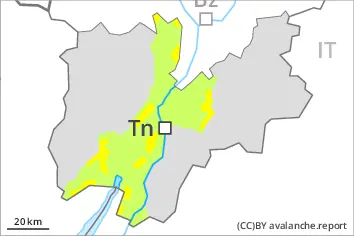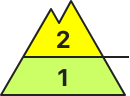
Danger level
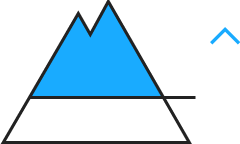
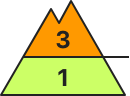 | treeline |
|  |
|  |
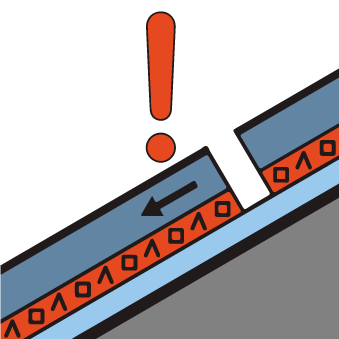

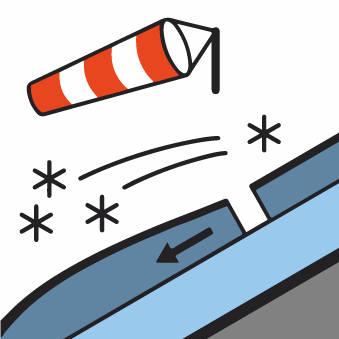
Wind slabs and weakly bonded old snow represent the main danger.
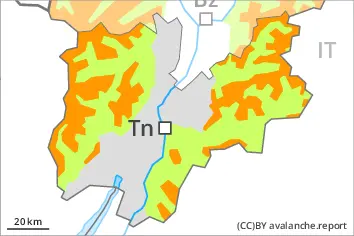
The fresh snow as well as the wind slabs can be released by a single winter sport participant in particular on west, north and east facing slopes above the tree line. Especially here avalanches can be triggered in the faceted old snow and reach medium size.
Caution is to be exercised in particular in gullies and bowls, and behind abrupt changes in the terrain, as well as in places that are protected from the wind. The avalanche prone locations are covered with new snow and are barely recognisable. The number and size of avalanche prone locations will increase with altitude.
Snowpack
dp.5: snowfall after a long period of cold
dp.6: cold, loose snow and wind
Up to 30 cm of snow, and even more in some localities, has fallen since Saturday. As a consequence of a strong wind from southerly directions, soft wind slabs formed. These are lying on top of a weakly bonded old snowpack above the tree line. The old snowpack is faceted and weak. This applies especially in shady places that are protected from the wind. The old snowpack will be subject to considerable local variations.
Tendency
The current avalanche situation calls for caution and restraint.